
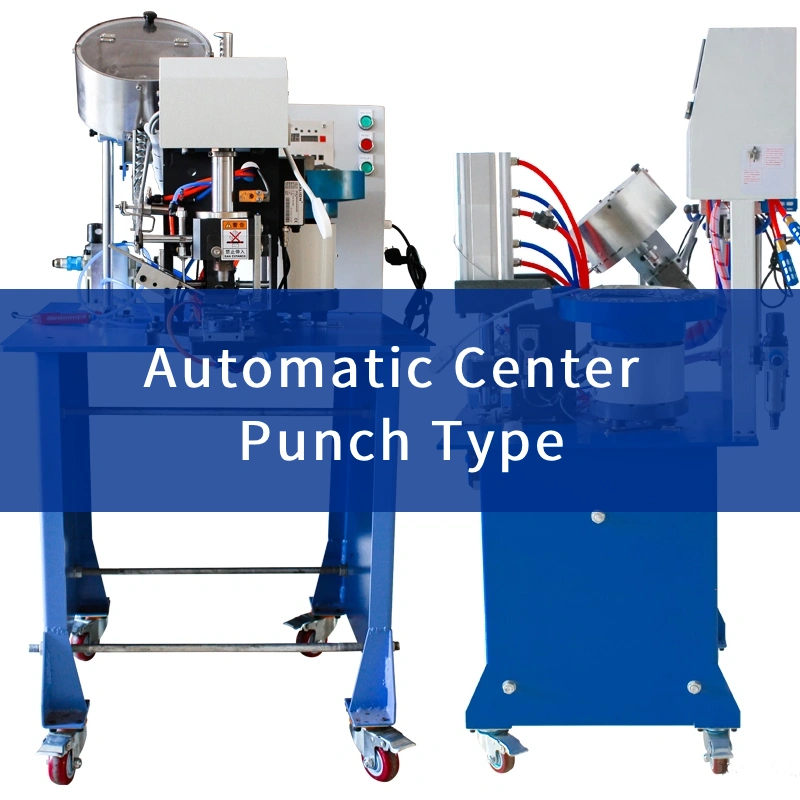
When I talk about an Automatic Center Punch Type machine, I mean a fully automated punching system that uses controlled force—electric or pneumatic—to create consistent holes in soft materials. These machines are mounted units with fixed dies, programmable stroke control, and adjustable pressure settings. They’re built for production environments, not handheld workshop use.
Unlike manual or hammer-driven tools, these machines operate through powered systems that ensure repeatable accuracy. Whether installed on a workstation or integrated into a semi-automatic line, they’re engineered for batch processing. The goal isn’t just to punch a hole—it’s to maintain uniform diameter, depth, spacing, and speed across hundreds or thousands of cycles.
From my experience working with material converters, consistency is everything. A slight variation in hole alignment can cause downstream assembly problems, especially in leather goods or packaging products.
Core Working Principles
Every Automatic Center Punch Type machine operates through controlled vertical force. In electric models, a motor drives a cam or linear actuator to generate punching pressure. In pneumatic systems, compressed air powers a cylinder that delivers a precise downward stroke.
The key components typically include:
- Punch head assembly
- Replaceable die system
- Adjustable stroke control
- Material holding platform
- Control panel
The punch head moves downward, penetrates the material, and retracts automatically. Sensors ensure proper positioning before each cycle. Many advanced systems allow adjustable dwell time and speed control, which is crucial when switching between soft fabric and thicker PVC sheets.
In my professional assessment, machines with adjustable stroke depth and pressure provide the most flexibility for multi-material production environments.
Electric Automatic Center Punch Type Machines
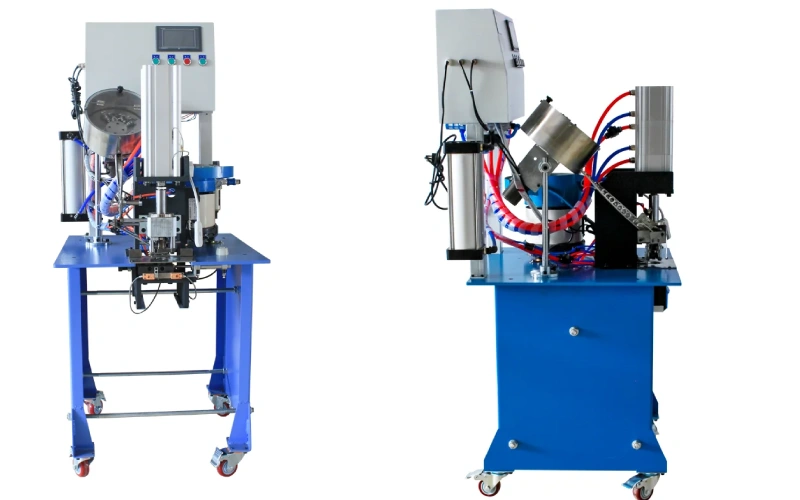
Motor-Driven Punching Systems
Electric Automatic Center Punch Type machines use servo motors or geared motors to generate controlled punching force. I prefer electric models in facilities where stable power supply and lower noise levels are priorities. These systems often provide precise programmable control, allowing operators to set punching depth and frequency digitally.
Because electric motors offer smooth motion, they reduce vibration and material distortion. That’s especially important when punching layered fabric or coated PVC. Over time, this precision translates into fewer rejected products and more consistent batch quality.
Electric models are also easier to integrate with PLC systems. If you’re planning automation upgrades, motor-driven systems are generally more adaptable.
Advantages for Textile & PVC Production
In textile manufacturing, electric punching systems are excellent for:
- Eyelet hole preparation
- Ventilation holes
- Decorative pattern punching
- Reinforcement hole creation
PVC sheets benefit from consistent penetration force without tearing. With programmable speed control, operators can avoid edge cracking. I’ve personally seen production lines increase output by nearly 30% after switching from semi-manual systems to electric automatic machines.
For factories prioritizing precision and quiet operation, electric systems are often the first recommendation.
Pneumatic Automatic Center Punch Type Machines
Air-Powered Precision
Pneumatic Automatic Center Punch Type machines rely on compressed air to generate impact force. These machines are powerful, durable, and especially suitable for thicker materials like leather and heavy paperboard.
What I appreciate most about pneumatic systems is their raw punching strength combined with relatively simple mechanical structure. They’re easier to maintain in high-volume workshops and respond quickly during rapid cycle production.
Because air pressure can be adjusted through regulators, operators can fine-tune punching force without changing hardware components. This flexibility makes pneumatic systems ideal for workshops handling mixed material thicknesses.
Benefits for Leather & Paperboard
Leather manufacturing demands clean edges and minimal burn marks. Pneumatic punches deliver sharp, clean cuts when paired with high-quality dies. I’ve worked with leather goods manufacturers who depend on pneumatic systems for belt holes, bag components, and decorative perforation.
For paperboard and packaging, air-powered punching reduces material compression and ensures uniform stacking alignment. In packaging operations, accurate hole placement directly affects product assembly and branding quality.
When compressed air infrastructure already exists in a factory, pneumatic machines often provide the most cost-effective solution.
Applications in Fabric Industry
Fabric punching requires precision without distortion. In my experience, automatic punching machines dramatically improve repeatability compared to manual cutting. Textile production often demands symmetrical hole alignment, especially for banners, tarpaulins, and technical textiles.
Automatic Center Punch Type systems can be configured for multi-hole dies, enabling simultaneous punching of several holes. This increases productivity while maintaining consistent spacing. Soft materials require careful pressure calibration to avoid fraying, and programmable machines allow quick adjustments.
The biggest benefit I’ve observed is workflow speed. Automated punching reduces labor fatigue and improves safety. Operators can focus on material positioning instead of impact control.
PVC & Flexible Plastic Punching
PVC sheets vary in thickness and flexibility. Too much force can crack edges; too little force leaves incomplete holes. Automatic systems solve this challenge through controlled stroke mechanisms.
In PVC processing plants I’ve visited, machines are used for:
- Advertising banners
- Protective covers
- Industrial curtains
- Inflatable product components
Electric systems offer smoother penetration, while pneumatic models handle thicker sheets more efficiently. The key is die sharpness and force calibration. A well-maintained Automatic Center Punch Type machine prevents material waste and ensures professional finishing.
Paperboard & Packaging Production
Packaging manufacturers rely on punching for assembly slots and ventilation holes. Automatic punching ensures that every unit aligns perfectly during folding and gluing.
Here’s a simplified comparison of material suitability:
| Material Type | Recommended System | Key Advantage |
|---|---|---|
| Fabric | Electric | Smooth, low vibration |
| PVC (thin) | Electric | Controlled penetration |
| PVC (thick) | Pneumatic | Higher force capacity |
| Leather | Pneumatic | Clean deep punch |
| Paperboard | Pneumatic | Fast cycle rate |
From my field observations, packaging companies value speed above all. Pneumatic systems often dominate high-speed operations.
Structural Components & Machine Design
A quality Automatic Center Punch Type machine typically includes:
- Rigid steel frame
- Precision guide columns
- Adjustable die holder
- Safety guards
- Foot pedal or automated trigger
Structural rigidity ensures alignment accuracy. Inconsistent frame design can cause die misalignment over time. I always recommend machines with reinforced guide rails and replaceable punch tips.
Reliable manufacturers such as those featured on industry websites like https://qcmachinery.com/ emphasize build stability and component durability. Investing in structural quality reduces downtime significantly.
Key Technical Parameters
Before selecting a machine, I analyze the following:
| Parameter | Typical Range | Why It Matters |
|---|---|---|
| Punching Force | 500N–5000N | Determines material compatibility |
| Stroke Length | 10–50 mm | Affects penetration depth |
| Cycle Speed | 20–60 cycles/min | Impacts productivity |
| Power Type | Electric / Pneumatic | Influences operating cost |
| Die Diameter | Customizable | Controls hole size |
Understanding these parameters ensures the machine matches production goals.
Comparison: Electric vs Pneumatic Models
Electric models offer better control and lower noise levels. Pneumatic systems provide higher force and simpler maintenance. In facilities with strong air supply systems, pneumatic machines are more economical long term.
If precision and automation integration are priorities, I often lean toward electric systems. For heavy-duty leather or thick PVC, pneumatic models are usually superior.
Productivity & Automation Integration
Modern Automatic Center Punch Type machines can integrate with conveyor systems, PLC controls, and automated feeding mechanisms. This reduces manual handling and boosts efficiency.
In advanced production lines, sensors verify material positioning before each cycle. This minimizes errors and ensures quality compliance. Automation reduces operator dependency and stabilizes output.
Quality Control & Precision
Hole diameter accuracy affects assembly alignment and aesthetic appearance. High-quality machines maintain consistent punch geometry over thousands of cycles.
Routine inspection of punch tips is essential. Worn dies can cause ragged edges. I recommend scheduled maintenance to preserve cutting sharpness.
Maintenance & Operational Safety
Preventive maintenance includes:
- Cleaning debris regularly
- Lubricating moving parts
- Checking air pressure consistency
- Inspecting electrical connections
Safety guards and emergency stop switches are non-negotiable. Proper training significantly reduces workplace incidents.
How I Choose the Right Automatic Center Punch Type
When advising clients, I consider:
- Material thickness
- Production volume
- Available power infrastructure
- Required automation level
- Budget constraints
Choosing the correct Automatic Center Punch Type is not just about price. It’s about long-term reliability, output stability, and production efficiency.
FAQ
Can these machines punch multiple layers at once?
Yes, if the punching force and stroke depth are sufficient. Thin fabrics can usually be stacked, while thicker PVC or leather requires higher pressure. Proper clamping and sharp dies are essential to ensure clean cuts and prevent material shifting.
Which is better for leather production?
Pneumatic models are generally better for leather. They deliver stronger impact force, creating cleaner and deeper holes. Electric machines can work for thin leather, but pneumatic systems perform more consistently with thicker or layered materials.
Are electric machines energy efficient?
Yes. Servo-driven electric machines consume power only during operation and offer programmable cycles. They also reduce noise and eliminate air compressor energy loss, making them efficient for small to medium production environments.
Can hole size be customized?
Absolutely. Hole size and shape can be customized by changing punch and die sets. Manufacturers often use interchangeable tooling to produce different diameters or patterns, depending on product specifications and production requirements.
Is operator training required?
Yes. Operators must understand force adjustment, stroke control, die alignment, and safety procedures. Proper training ensures consistent results, reduces material waste, and prevents equipment damage or workplace accidents.
How often should punch tips be replaced?
Replacement depends on usage and material type. Heavy leather and PVC cause faster wear. Regular inspection is recommended, and tips should be replaced when holes appear rough or require increased punching force.
Conclusion
Automatic Center Punch Type machines are essential tools for fabric, PVC, paperboard, and leather production. From electric precision systems to powerful pneumatic models, each option offers unique advantages.
Based on my experience working with manufacturing operations, investing in the right machine dramatically improves efficiency, consistency, and product quality. When selected carefully and maintained properly, these machines become long-term assets in any production environment.