
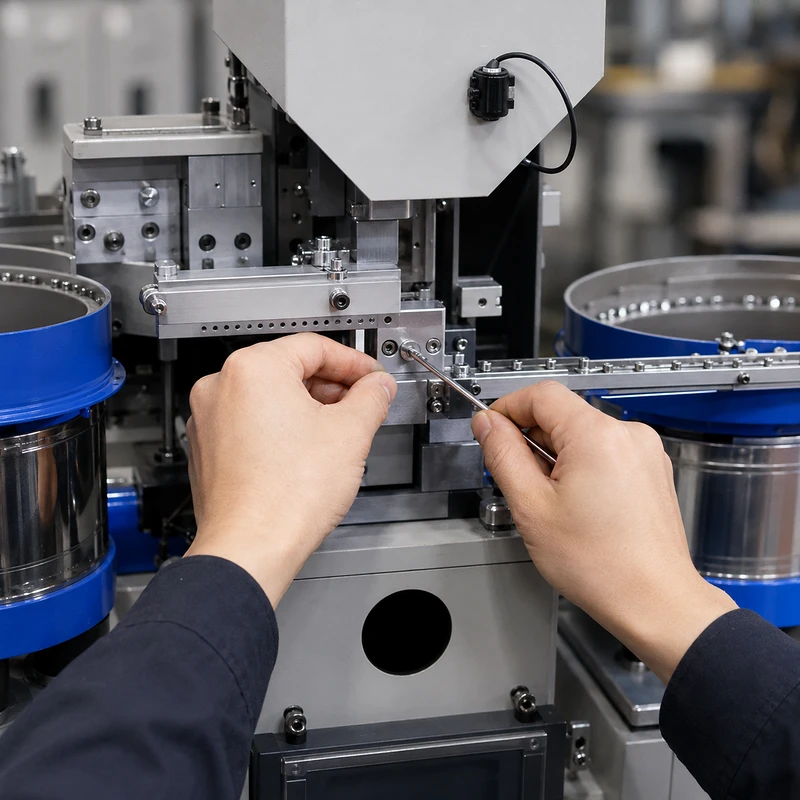
You want your QC Machinery Rivet Machines to deliver consistent results and operate at peak efficiency. Industrial Riveting Machine Maintenance starts with simple routines—daily cleaning, timely lubrication, and regular safety checks. These practical steps help you minimize downtime, extend machine life, and maintain high-quality output.
When you stay proactive, you protect your investment and keep production running smoothly.
Key Takeaways
- Start each shift with daily cleaning and inspection of your QC Machinery Rivet Machines to prevent issues and ensure high-quality output.
- Follow a structured lubrication schedule to keep moving parts functioning smoothly and extend the life of your equipment.
- Conduct regular electrical safety checks to identify potential hazards and maintain a safe working environment.
- Implement proactive spare parts management strategies to minimize downtime and ensure your machines operate efficiently.
- Engage in operator training to enhance maintenance practices and improve overall machine performance.
Industrial Riveting Machine Maintenance Basics
Daily Cleaning and Inspection
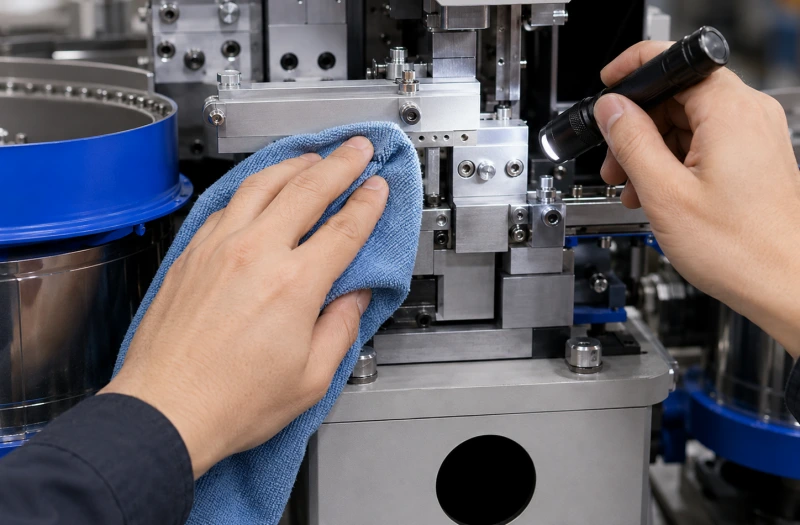
You should start every shift with a thorough cleaning and inspection of your QC Machinery Rivet Machines. This routine keeps your equipment in top condition and helps you spot potential issues before they become serious problems. Industrial riveting machine maintenance begins with these essential steps:
- Clean the rivet head to prevent metal bonding and buildup.
- Wipe down all exposed surfaces to remove dust and debris.
- Lubricate the radial equipment as part of your daily routine.
- Inspect the guide rail and apply butter once a month to prevent rust.
- Check for loose bolts, worn parts, or any unusual noises during operation.
By following these steps, you ensure that your industrial machines run smoothly and produce high-quality results. Regular maintenance and inspection reduce the risk of unexpected breakdowns and help maintain consistent product quality. Surveys show that most equipment failures happen because operators skip these basic routines.
When you make daily cleaning and inspection a habit, you protect your investment and keep your production line efficient.
Lubrication and Oil Care
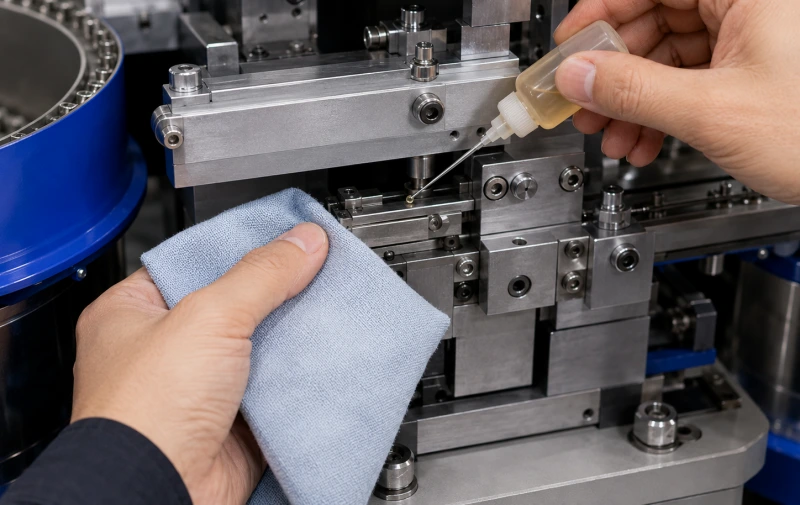
Proper lubrication and oil care are critical for industrial riveting machine maintenance. You need to follow a structured schedule to keep all moving parts running smoothly. QC Machinery recommends the following intervals and materials for lubrication and maintenance:
| Interval | Tips | Material |
|---|---|---|
| Before starting every day | Check all the springs of each part | |
| Every 8 hours | 1. Lubricate the axle center of the punch 2. Lubricate the drive shaft 3. Lubricate the fixed shaft of the clutch plate | Automotive oil |
| Every 48 hours | 1. Lubricate the eccentric wheel 2. Lubricate the drive shaft | Machine grease |
| Restart after a long-term stop | 1. Lubricate the contact place of the control bar 2. Lubricate the contact place of the feeding pole | Machine grease |
You should never overlook lubrication and maintenance. These tasks prevent friction, reduce wear, and extend the life of your industrial equipment. When you stick to this schedule, you minimize downtime and keep your QC Machinery Rivet Machines performing at their best.
Regular maintenance also helps you avoid costly repairs and ensures that your products meet the highest standards.
Electrical Safety Checks
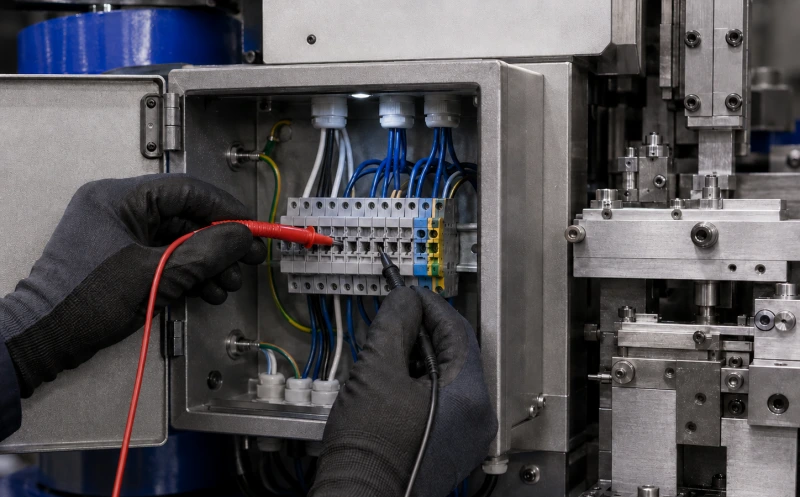
Electrical safety checks form a vital part of industrial riveting machine maintenance. You need to inspect all electrical connections and components before each shift. Look for signs of wear, loose wires, or damaged insulation. Make sure emergency stop buttons and safety switches work correctly.
Test the control panel and user interface for proper function.
Routine maintenance, especially preventive maintenance, plays a key role in improving machine reliability and product quality. Studies show that most failures result from neglecting these basic checks. By making electrical safety a priority, you reduce the risk of accidents and keep your industrial operations running smoothly.
Industrial operators often face challenges when implementing maintenance strategies. You may need to adapt to new digital quality assurance systems or adjust your approach for different production scales. Sourcing parts and managing vendor relationships can also affect your maintenance plans.
Staying proactive and working closely with QC Machinery helps you overcome these challenges and maintain high standards in your facility.
When you follow these industrial riveting machine maintenance basics, you set the foundation for long-term reliability and success. Regular maintenance, daily inspection, and proper lubrication keep your QC Machinery Rivet Machines operating efficiently and safely.
Hydraulic and Pneumatic Equipment Care
Hydraulic Oil and Fluid Management
You need to pay close attention to hydraulic oil and fluid management in your industrial riveting equipment. Clean hydraulic fluid keeps your system running smoothly and prevents damage to internal parts. Contaminated oil can reduce efficiency and cause costly repairs.
You should check fluid levels daily and top up as needed. Change the hydraulic oil at regular intervals, following QC Machinery’s recommended schedule. Inspect seals and hoses for leaks or signs of wear. Replace filters according to the manufacturer’s guidelines.
These steps help you maintain safe operation and extend the lifespan of your equipment. Effective fluid management ensures your hydraulic system operates efficiently and supports long-term durability.
Tip: Always use the hydraulic oil grade specified in your QC Machinery manual. This protects your system and maintains warranty coverage.
Pneumatic System Maintenance
Pneumatic systems play a vital role in many industrial riveting equipment setups. You should drain moisture from air compressors and tanks every day. Moisture buildup can lead to rust and reduce system performance. Check air filters weekly and replace them if they appear dirty or clogged.
Inspect hoses and fittings for cracks or leaks. Lubricate moving parts with the recommended oil to prevent friction and wear. Regular maintenance of pneumatic components keeps your equipment reliable and efficient.
Leak and Pressure Monitoring
You must monitor your industrial riveting equipment for leaks and pressure drops. Leaks in hydraulic or pneumatic lines can cause sudden failures and reduce productivity. Use a pressure gauge to check system pressure before each shift. Listen for hissing sounds or look for oil spots under the machine.
If you find a leak, repair it immediately to avoid further damage. Consistent pressure monitoring helps you catch problems early and maintain optimal performance. QC Machinery designs its equipment for durability, but routine checks are essential for safe and efficient operation.
Tooling and Component Maintenance
Rivet Head and Tooling Care
You need to pay close attention to the rivet head and tooling components of your QC Machinery Rivet Machines. Proper care ensures consistent product quality and reliable operation. Regular cleaning removes swarf and residues that can affect performance. You should oil all moving parts at set intervals to maintain smooth function.
Replace worn nosepieces or defective parts immediately to prevent poor-quality joints. Store tools in a dry, protected place to avoid corrosion. Schedule servicing according to manufacturer recommendations. These steps help you achieve high standards in every production run.
- Regularly clean nosepieces to remove swarf and residues.
- Oil moving parts at set intervals for reliability.
- Replace worn nosepieces or defective parts immediately.
- Store tools in a dry, protected place.
- Service tools regularly as recommended.
Tip: Consistent tooling care reduces downtime and keeps your production line efficient.
Cleaning and Replacement Intervals
You must follow industry standards for cleaning and replacement intervals to maximize machine performance. Routine inspections help you catch issues early and maintain optimal output. The table below outlines recommended frequencies for key components:
| Component | Inspection Frequency | Replacement Interval |
|---|---|---|
| Rivet sets | Weekly | As needed based on inspection |
| Anvils | Weekly | As needed based on inspection |
| Custom feeding molds | Weekly | As needed based on inspection |
| Feeding springs | After 500,000 cycles | Proactive replacement |
You should inspect each component as scheduled and replace parts when signs of wear appear. This approach keeps your QC Machinery Rivet Machines running smoothly and prevents unexpected failures.
Alignment and Wear Checks
You need to perform daily alignment and wear checks to extend the operational life of your equipment. Inspections identify worn components, such as bearings, before they cause driveline vibration or misalignment. Addressing these issues early prevents premature failure of critical parts like driveshafts.
Proactive maintenance enhances safety and protects your investment.
- Daily inspections identify worn components.
- Early action prevents driveline vibration and misalignment.
- Regular checks extend machine life and improve safety.
Note: Proper tooling and component maintenance directly impacts your total cost of ownership. Maintenance costs, energy consumption, spare parts availability, and preventive maintenance all influence your operational expenses and production efficiency. High-quality tooling leads to longer service life and optimized performance.
Maintenance and Checklist for QC Machinery Rivet Machines
Structured Maintenance Schedules
You need a recommended maintenance schedule to keep your QC Machinery Rivet Machines in top shape. A structured maintenance and checklist helps you spot problems early and avoid unexpected breakdowns. When you follow a checklist, you identify failure modes and take action before they affect machine performance.
This proactive approach shifts your focus from emergency repairs to preventive maintenance. You keep performance good and help your factory run smoothly.
Here is a sample recommended maintenance schedule for QC Machinery Rivet Machines:
| Task | Frequency |
|---|---|
| Lubricating moving parts | Daily |
| Inspecting electrical parts | Daily |
| Checking hydraulic oil | Weekly |
| Lubricating guide rails | Monthly |
| Replacing filters | As recommended |
| Inspecting tooling | Weekly |
You should review this checklist at the start of each shift. Consistent use of core daily maintenance practices will keep your factory running smoothly and extend equipment life.
Operator Training and Best Practices
Operator training plays a key role in effective preventive maintenance. You need to understand equipment operation, tooling setup, and troubleshooting. Training programs help you spot issues early and resolve them before they grow.
When you know the core daily maintenance practices, you improve machine performance and reduce downtime. You should also digitize inspections, standardize workflows, and use analytics to prevent defects. These best practices help you maintain high standards and keep your QC Machinery Rivet Machines reliable.
Emergency and Overload Prevention
You must prepare for emergencies and prevent overloads to protect your equipment. Follow these guidelines for QC Machinery Rivet Machines:
| Prevention Measure | Description |
|---|---|
| Avoid overloading | Do not process workpieces beyond the nominal capacity of the equipment. |
| Rivet head length | Keep the rivet head within the specified length tolerance. |
| Equipment inspection | Regularly check the fixation and connection of each part. |
| Abnormal situations | Stop the machine immediately if you notice abnormal noise or oil leakage. |
You should always follow these steps to ensure safe operation. Preventive maintenance and emergency planning help you avoid unexpected breakdowns and keep your equipment in good condition.
Tip: Work closely with QC Machinery for support, integrate QA with production, and use connected tools for continuous improvement.
Spare Parts and Downtime Prevention
Inventory Management Strategies
You need a proactive approach to spare parts management to keep your QC Machinery Rivet Machines running at peak efficiency. Effective inventory strategies help you minimize downtime and maintain production efficiency. You can use several proven methods to optimize your spare parts inventory:
| Strategy | Description |
|---|---|
| Vendor-Managed Inventory (VMI) | Ensures consistent supply of critical components, reducing the risk of stockouts at the production line. |
| Just-In-Time (JIT) Delivery | Prevents excess inventory and stockouts, aligning component delivery with production schedules. |
| Rigorous Quality Inspections | Guarantees component reliability and eliminates defective parts that could cause assembly failures. |
Organizations that implement proactive spare parts management often achieve downtime reduction between 15% and 30%. You can see significant improvements in equipment reliability and overall efficiency when you follow these strategies.
Tip: Regularly review your inventory levels and coordinate with QC Machinery for timely replenishment of essential parts.
Recommended Spare Parts List
You should maintain a robust inventory of genuine QC Machinery spare parts to prevent unexpected downtime. Keeping the right parts on hand ensures your equipment stays operational and reduces the risk of costly delays. Here is a recommended list for QC Machinery Rivet Machines:
- Rivet heads and nosepieces
- Drive shafts and bearings
- Hydraulic and pneumatic seals
- Electrical switches and control panels
- Feeding springs and molds
- Filters and lubricants
Using genuine parts delivers the highest quality and reliability. You benefit from comprehensive warranty coverage and easy availability through authorized dealers. Third-party alternatives may offer lower cost but often lack consistent quality and warranty support.
| Benefit | Genuine Parts | Third-Party Alternatives |
|---|---|---|
| Quality | Highest quality, engineered by QC Machinery | Varies, often lower quality |
| Warranty | Backed by QC Machinery’s comprehensive warranty | Limited or no warranty |
| Cost | Generally the most expensive option | Typically cheaper |
| Availability | Available through authorized dealers | May not be readily available |
Note: Genuine QC Machinery parts help you achieve maximum downtime reduction and maintain equipment efficiency.
Manufacturer Support and Technical Guidance
You gain a strong advantage when you collaborate with QC Machinery for technical support and guidance. Their engineering team provides expert advice on spare parts selection, maintenance routines, and troubleshooting. You can access detailed manuals, training resources, and real-time assistance to resolve issues quickly.
This partnership helps you optimize equipment performance and minimize downtime. QC Machinery’s commitment to customer satisfaction ensures you receive tailored solutions for your production needs.
Callout: Reach out to QC Machinery for customized support and technical guidance. Their expertise helps you maintain high production efficiency and reliable equipment operation.
Conclusion
You can achieve long-lasting performance from your QC Machinery Rivet Machines by following regular maintenance routines, using structured checklists, and managing spare parts proactively. Many industries have seen impressive results with these strategies:
| Industry | Machine Type | Key Benefit |
|---|---|---|
| Manufacturing | Vertical screw fastening machine | Higher reliability and precision |
| Electronics | Modular screw fastening machine | Less downtime and better efficiency |
| Aerospace | Rotary screw fastening machine | Lower costs with consistent quality |
For tailored support, reach out to QC Machinery’s expert team.
FAQ
How often should you perform maintenance on QC Machinery Rivet Machines?
You should follow a daily checklist for cleaning and lubrication. Inspect hydraulic and pneumatic systems weekly. Replace filters and worn parts as recommended. Consistent routines help you prevent downtime and extend machine life.
What type of oil should you use for lubrication?
| Component | Recommended Oil |
|---|---|
| Axle center | Automotive oil |
| Eccentric wheel | Machine grease |
| Hydraulic system | QC Machinery grade |
You should always check your QC Machinery manual for specific oil grades.
How can you identify worn tooling components?
You can spot worn tooling by checking for uneven rivet placement, visible cracks, or excessive vibration during operation. Replace nosepieces and feeding springs when you see signs of wear.
Who can you contact for technical support or spare parts?
You can reach QC Machinery’s expert team for technical guidance, spare parts, and maintenance advice. Contact them by phone, email, or WhatsApp. Visit QC Machinery’s website for more information.