

In the fiercely competitive landscape of textile manufacturing, the finishing stage—specifically the installation of grommets (eyelets)—often dictates the speed, quality, and durability of the final product. Whether you are producing expansive digital banners, robust protective tarpaulins, critical safety signage, or specialized outdoor equipment, failure at the grommet stage is catastrophic, leading to product returns, material waste, and costly downtime.
For too long, manufacturers have accepted the limitations of manual leverage tools or outdated pneumatic presses, tolerating slow cycle times and inconsistent setting forces. The industrial standard is shifting. The 220V Automatic Grommet Press represents the definitive leap in finishing technology. It is not merely an incremental improvement; it is the essential technology that eliminates production bottlenecks, guarantees flawless setting consistency, and delivers a superior return on investment (ROI) that is critical for any operation managing high-volume textile throughput. This comprehensive analysis outlines the technical, operational, and financial imperatives driving this crucial transition.
The core distinction of the 220V automatic press is its direct-drive electrical mechanism, which provides superior performance and reliability compared to its pneumatic predecessors.
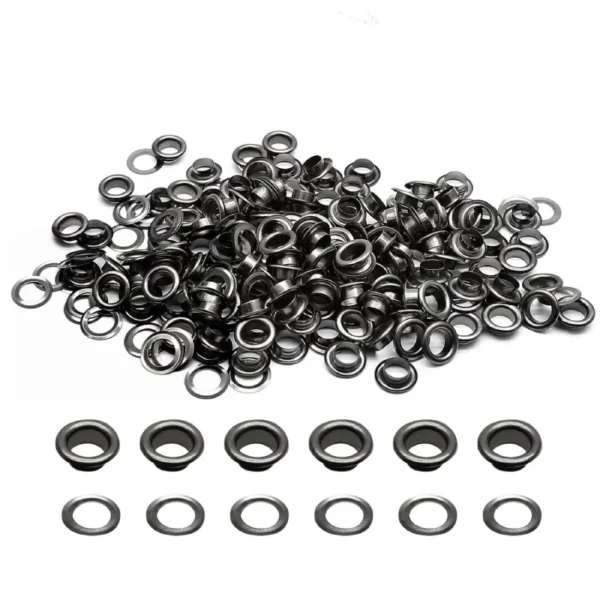
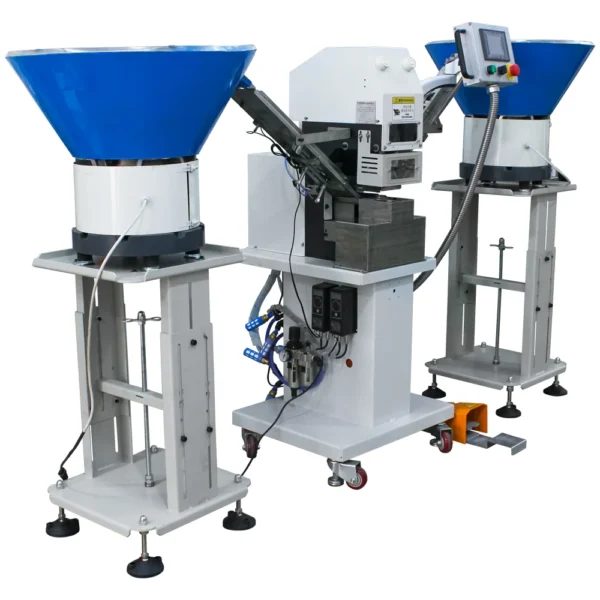
Unrivaled Consistency: The Power of the Electric Stroke
The most significant competitive edge of the electric press is its ability to deliver an unfluctuating, predefined setting force during every cycle.
- Elimination of Pneumatic Variables: Traditional pneumatic presses are subject to the inherent limitations of compressed air systems:
- Pressure Drops: Fluctuations in the central air supply can cause inconsistent pressure, leading to loose or improperly crimped grommets, especially when multiple machines are running simultaneously.
- Moisture and Corrosion: Air lines introduce moisture into the system, increasing wear on seals, cylinders, and internal components, leading to higher maintenance frequency.
- The electric press bypasses these issues entirely. The motor and mechanism deliver a mechanical force that is immune to environmental factors or external air supply demands.
- Perfect Crimping Geometry: The motor allows for precise control over the stroke length and speed. This meticulous control guarantees the grommet’s barrel is perfectly rolled and sealed, preventing the common failure points associated with uneven crimping. This precision power is non-negotiable when working with high-tensile materials where grommet failure means structural failure.
Automation: From Handling to High-Speed Cycling
Automation features are what truly elevate the electric press to high-volume necessity.
- Integrated Feeder System: The automated press includes a robust, gravity-fed hopper system capable of holding thousands of grommets and washers. The system automatically aligns and feeds both the grommet and the washer directly into the setting dies. This feature single-handedly eliminates the operator’s need to manually handle two small parts per cycle, which is the primary source of slowdown in non-automated systems.
- Optimized Operator Workflow: With the operator focused solely on positioning the textile—often guided by integrated laser targeting systems for precise placement—cycle times are maximized. The machine can achieve sustained speeds exceeding 50 cycles per minute, a rate that is both significantly faster and, crucially, less fatiguing for the operator than any semi-automatic alternative.
- Versatility in Media: A top-tier electric press is engineered with modular die systems allowing for swift changeovers. Whether your batch requires a brass #2 grommet or a durable clear plastic eyelet for banner mesh, the electric system maintains its speed and precision across various material and grommet types, maximizing machine utilization.
The decision to procure a premium automatic press must be justified by compelling financial metrics. The 220V Electric Press excels in Total Cost of Ownership (TCO) and Return on Investment (ROI).
Quantifiable Reduction in Labor Costs
For every manual machine replaced by one automatic electric unit, the labor-saving impact is immediate and dramatic.
- Increased Output Per Hour (OPH): A single operator running an automatic press can easily match the output of three to five operators using manual systems. This immediate boost in OPH directly reduces the labor cost per finished unit.
- Focus on High-Value Tasks: By offloading the repetitive, low-skill task of grommet feeding to the machine, operators can dedicate their time to higher-value quality control checks, material preparation, and efficient material handling, further optimizing the overall production flow.
Long-Term Reliability and Maintenance Savings
The TCO analysis strongly favors the electric mechanism.
- Reduced Dependency on External Infrastructure: Eliminating the need for a dedicated, high-capacity air compressor system removes a significant long-term capital expenditure and maintenance liability. Compressors require constant maintenance, filtration, and are a major source of factory noise. The electric press is a standalone, self-contained unit.
- Fewer Failure Points: The robust electromechanical design has fewer wear parts exposed to corrosive elements (like moisture) compared to internal pneumatic seals and valves. This leads to longer intervals between preventative maintenance and drastically reduces unexpected downtime, a critical factor in managing tight production schedules.
- Energy Efficiency: While the machine runs on 220V power, it operates with superior energy efficiency. Power is only drawn in significant quantities during the brief moment the setting stroke is activated, contrasting sharply with compressors that must run continuously to maintain tank pressure.
Market Advantage Through Quality and Speed
In the bidding process for large contracts, speed and guaranteed quality provide a competitive advantage.
- Guaranteed Quality Certification: The consistency of the electric press allows manufacturers to confidently offer higher quality assurances on their finished products, potentially qualifying them for more demanding, higher-margin contracts.
- Fast Turnaround: The high throughput allows for aggressive lead times. Being able to promise a client a 48-hour turnaround on a large banner job—a task impossible with manual presses—is often the decisive factor in securing the contract.
The 220V Automatic Grommet Press is an indispensable tool for any textile finishing company committed to scaling production while upholding the highest standards of quality. Its integration marks a clear commitment to industrial modernization.
For wholesalers and procurement managers, this machine represents a clear differentiator—a product that guarantees reliability, consistency, and a verifiable ROI for your clients. By adopting the precise, powerful, and efficient technology of the electric press, textile manufacturers are not just installing grommets; they are mastering their production flow, reducing their TCO, and securing their competitive position in the global market. The future of high-volume finishing is electric, automated, and ready to deliver.