
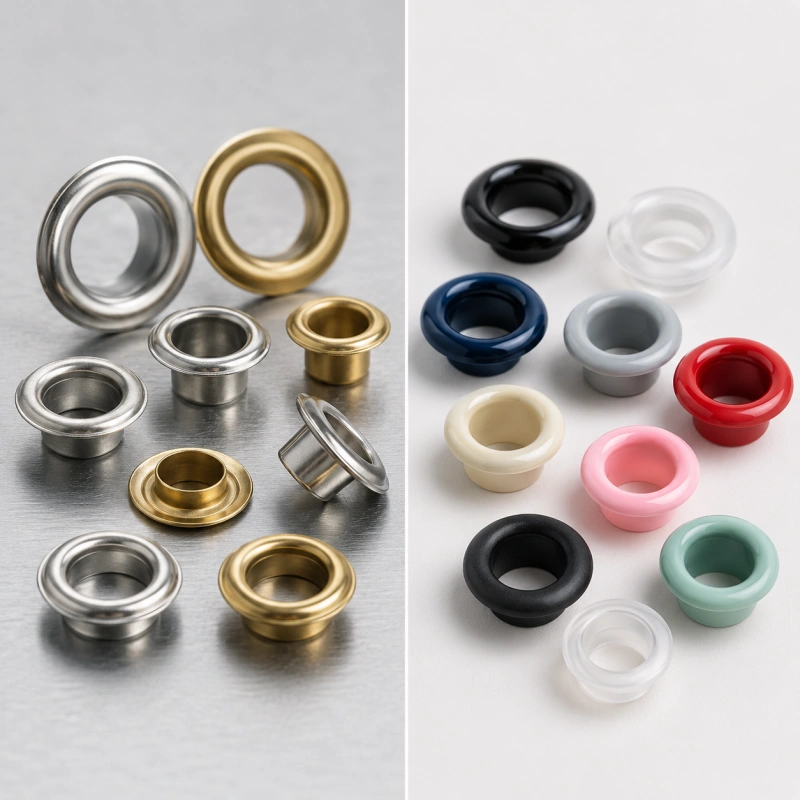
You need a specialized machine for each eyelet type. Metal eyelets require robust machines designed for higher strength, while plastic eyelets work best with machines built for lighter materials. Matching eyelet type, material, and machine compatibility gives you reliable results.
QC Machinery offers expert solutions and a wide range of machines to support your production needs.
Choosing the right machine for Metal Eyelets vs Plastic Eyelets ensures efficiency and quality in your workflow.
Key Takeaways
- Choose metal eyelets for heavy-duty applications. They offer high strength and durability, making them ideal for industrial use.
- Select plastic eyelets for lightweight and moisture-prone projects. They resist rust and are perfect for banners and crafts.
- Match your eyelet machine to the type of eyelet you use. Metal eyelets need robust machines, while plastic eyelets require lighter machines with adjustable pressure.
- Consider cost and weather resistance when choosing eyelets. Plastic eyelets are often more affordable and better for outdoor use.
- Consult an eyelet machine manufacturer, such as QC Machinery, for tailored machine solutions. They can help you find the right equipment for your specific production needs.
Metal Eyelets vs Plastic Eyelets: Key Differences
Material Strength & Durability
When you compare Metal Eyelets vs Plastic Eyelets, you notice clear differences in strength and durability. Metal eyelets, often made from aluminum or steel, provide high tensile strength. They resist tearing and hold up well under tension. However, metal can corrode or scratch after repeated use.
Plastic eyelets, on the other hand, offer unique advantages:
- Plastic eyelets resist rust and do not scratch surfaces.
- They absorb shock better than metal, which can dent or deform under heavy impact.
- Plastic works well in wet or humid environments, giving you a longer-lasting solution.
If you need eyelets for heavy-duty applications, metal remains the top choice. For projects where corrosion or surface protection matters, plastic stands out.
Application Scenarios
You should select your eyelet type based on your industry and project needs. The following table highlights where each type excels:
| Eyelet Type | Common Industries |
|---|---|
| Metal Eyelets | Textile, Packaging, Banner, Footwear, Industrial Fabrics |
| Plastic Eyelets | Lightweight structures, corrosion-resistant needs, and decorative flexibility |
Metal Eyelets vs Plastic Eyelets often comes down to the demands of your application. Metal suits industrial and high-stress uses. Plastic fits best in lightweight, decorative, or moisture-prone environments.
Cost & Weather Resistance
Cost and weather resistance also influence your decision. Metal eyelets usually cost more due to the materials and manufacturing processes. They deliver value in strength but may require extra care in humid or outdoor settings. Plastic eyelets offer a cost-effective alternative.
They resist rust and weather damage, making them ideal for outdoor gear, banners, and marine products. You gain savings and durability when you choose plastic for the right scenario.
Once you have selected metal, choose between brass, steel and stainless steel eyelets according to the product’s environment, finish requirements and tested assembly performance.
Eyelet Machine Compatibility
Machines for Metal Eyelets
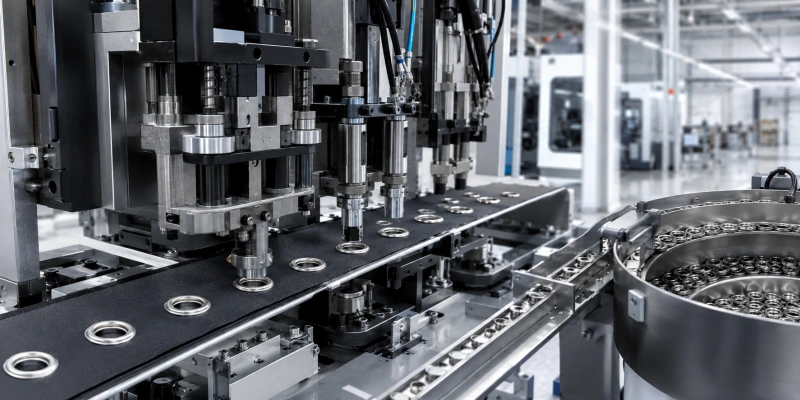
You need a machine with strong construction and high pressing force to handle metal eyelets. These machines must deliver consistent pressure to set metal eyelets securely in thick or tough materials. Many models offer advanced features to improve efficiency and safety.
For example, you can find machines with automated settings, ergonomic controls, and modular designs. The table below highlights some popular machine models and their key features for processing metal eyelets:
| Machine Model | Key Features |
|---|---|
| USM Swivel Eyelet Machine | Robust construction, flexible eyelet insertion, ergonomic foot-operated control, ideal for leather and shoes |
| RMI 422F Eyelet Machine | Fully automated, adjustable spacing and pressure, compact design, advanced monitoring |
| Fancort Eyelet Press System | High-force pressing, modular architecture, adaptable for various materials and tasks |
When you work with metal eyelets, choose a machine that matches your production needs and material types. This ensures you get reliable results every time.
Machines for Plastic Eyelets
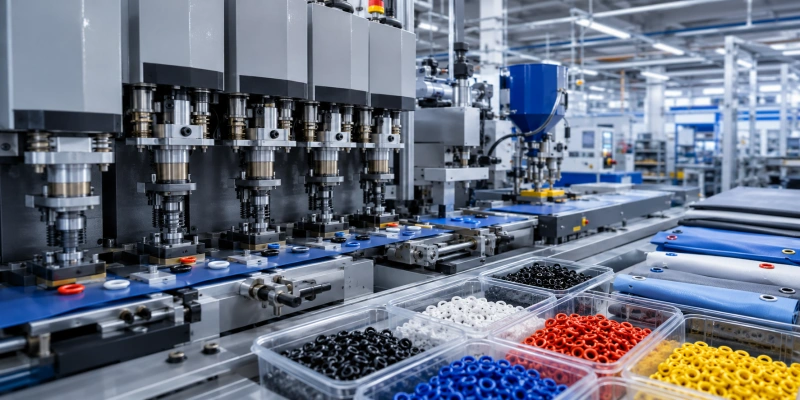
Plastic eyelets require less force during installation. You can use lighter machines designed for softer materials. These machines often feature adjustable pressure settings to prevent cracking or deforming the plastic. Many models include quick-change dies and safety guards for smooth operation.
If you work with banners, tarpaulins, or lightweight fabrics, a plastic eyelet machine will help you achieve clean, professional finishes. Always check that your machine supports the specific size and shape of plastic eyelets you plan to use.
Tip: Regularly inspect your dies and replace them if you notice wear. This helps maintain the quality of your plastic eyelet installations.
Universal Eyelet Machines
Universal eyelet machines give you flexibility if you need to process both metal and plastic eyelets. These machines come with interchangeable dies and adjustable force settings. You can switch between different eyelet types without changing your main equipment.
Universal machines work well for small businesses or workshops with varied production needs. They help you save space and reduce equipment costs. When comparing Metal Eyelets vs Plastic Eyelets, a universal machine offers a practical solution for mixed-material projects.
QC Machinery Eyelet Machine Solutions
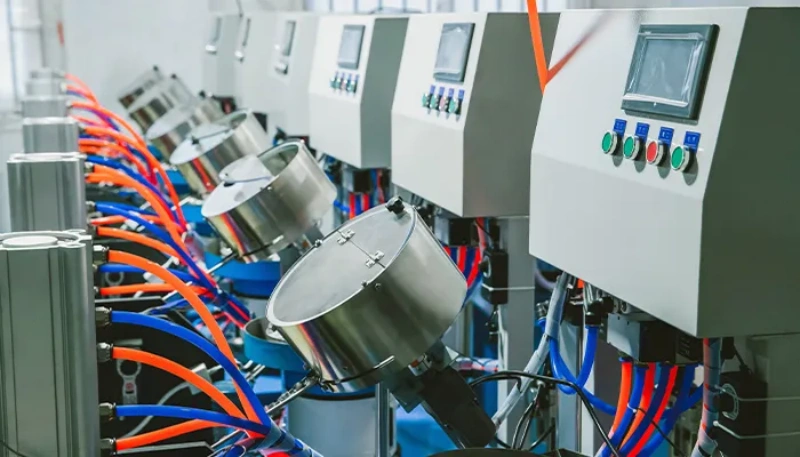
Automatic Eyelet Machine Features
You want a machine that delivers speed, precision, and reliability. QC Machinery’s automatic eyelet machines stand out with advanced automation and user-friendly controls. These machines help you handle both metal and plastic eyelets, making them ideal for businesses comparing Metal Eyelets vs Plastic Eyelets.
The following table highlights key automation features:
| Feature | Description |
|---|---|
| Automatic Feeding Systems | Boost productivity and reduce manual labor in high-volume environments. |
| Quick-Change Dies | Switch eyelet sizes or finishes quickly, minimizing downtime. |
| Adjustable Pressure and Stroke | Work with various fabrics, from delicate to thick materials. |
| Processing Speed | Process 1200 to 2000 eyelets per hour, enhancing production efficiency. |
| Deep Throat Design | Handle wide curtains without repositioning, improving workflow. |
| Customizable Settings | Adjust for different curtain sizes and eyelet spacing, ensuring reliability in production. |
| Labor Reduction | Replace multiple manual operators, cutting labor costs. |
| Precision Features | Use laser pointers and customizable settings for high accuracy in eyelet placement. |
| Automatic Thickness Adjustment | Adjust for material characteristics, preventing fabric damage during production. |
You can find more details in QC Machinery’s Automatic Eyelet Machine and the Expert Buying Guide.
Customization & Support
QC Machinery supports you with tailored solutions. You can send material samples before ordering, so the team can recommend the best machine for your needs. The company customizes machines based on your specific requests, since one machine cannot serve all eyelet types.
QC Machinery considers factors such as thickness range, eyelet size, product shape, target output, and feeding method. You benefit from in-house manufacturing, which ensures fast production and strict quality control. QC Machinery machines meet international standards, including:
- ISO9001 Quality Management System
- CE (European Safety Standard)
- Compliance with American Safety Standards
You receive expert support from engineers and designers who guide you through installation, training, and after-sales service.
Industry Applications
QC Machinery eyelet machines serve a wide range of industries. You can use these machines in:
| Industry | Application Description |
|---|---|
| Leatherworking | Creating durable eyelets in belts, bags, wallets, and other leather products. |
| Fashion and Apparel | Adding eyelets to clothing, shoes, and accessories for laces or decorative purposes. |
| Packaging | Inserting eyelets in tags, labels, and packaging materials for added strength. |
| Stationery and Crafting | Reinforcing holes in paper products like banners, scrapbooks, and invitations. |
| Outdoor Gear | Adding eyelets to tents, tarps, and backpacks to enhance durability and functionality. |
| Geotextiles and Shade Nets | Creating holes in geotextiles and shade nets for secure installation. |
When you upgrade to QC Machinery’s automatic eyelet machines, you see a quick return on investment. Many businesses report reduced labor costs, fewer errors, and increased output. Some clients even recover their investment within the first year.
Installation Steps & Tips
Metal Eyelet Installation
You start by preparing your material and selecting the correct die for your machine. Place the metal eyelet in the feeding tray. Align the material under the punch area. Activate the machine to punch a hole and set the eyelet in one motion. Adjust the pressure setting to match the thickness of your material.
Inspect the finished eyelet for secure placement and smooth edges. If you notice any misalignment, recalibrate the die and repeat the process. For high-volume production, automatic machines from QC Machinery help you achieve consistent results and reduce manual labor.
Tip: Always wear safety gloves and goggles when installing metal eyelets. This protects you from sharp edges and flying debris.
Plastic Eyelet Installation
You follow a similar process for plastic eyelets, but you use lower pressure settings. Select the appropriate die and place the plastic eyelet in the tray. Position your material under the punch. Activate the machine to punch and set the eyelet. Check the finished product for cracks or deformation.
If you see any damage, reduce the pressure and try again. Plastic eyelets work best in lightweight fabrics and banners. QC Machinery machines offer adjustable settings to prevent over-compression and ensure a clean finish.
Note: Inspect your dies regularly. Replace them if you see signs of wear to maintain quality and avoid damaging plastic eyelets.
Troubleshooting & Maintenance
You maximize machine lifespan by following a routine maintenance schedule. Address common issues like misaligned dies, uneven pressure, or jammed feeding trays promptly. Regular maintenance prevents breakdowns and ensures smooth operation. The table below outlines recommended tasks:
| Frequency | Maintenance Tasks |
|---|---|
| Daily | Wipe metal dust off the working table. Check the air pressure gauge. Lubricate guiding rails. Test the emergency stop button. |
| Weekly | Clean the feeding mold with a brush. Tighten screws and nuts. Inspect electrical cords. Drain water from the air filter regulator. |
| Monthly | Change the hydraulic oil if dark. Check the alignment of the rivet pin and anvil. Grease motor bearings. Replace worn rubber seals. |
🛠️ If you notice inconsistent eyelet placement, check the die alignment and adjust the pressure settings. For persistent issues, contact QC Machinery’s support team for expert guidance.
You see clear differences in installation and maintenance when comparing Metal Eyelets vs Plastic Eyelets. Proper setup and care ensure reliable performance and long-lasting results.
Durability & Performance Comparison
Industrial Use Cases
You need reliable performance when you work in industrial settings. Metal eyelets deliver unmatched strength and longevity. They withstand high tension, repeated use, and exposure to harsh environments. You often see metal eyelets in heavy-duty applications such as tarpaulins, industrial curtains, and safety equipment.
These eyelets resist deformation and maintain their hold, even under constant stress.
Plastic eyelets offer advantages in specific industrial scenarios. You can use them in environments where corrosion is a concern, such as marine or outdoor installations.
Plastic resists rust and chemical exposure, making it suitable for banners, lightweight covers, and geotextiles. However, plastic may not match the tensile strength of metal in high-load applications.
| Feature | Metal Eyelets | Plastic Eyelets |
|---|---|---|
| Tensile Strength | High | Moderate |
| Corrosion Resistance | Moderate (can rust) | Excellent |
| Impact Resistance | Good | Very Good |
| Lifespan (Industrial) | Long | Moderate to Long |
Tip: For maximum durability in demanding environments, choose metal eyelets. For corrosion-prone or lightweight applications, plastic eyelets provide a smart alternative.
DIY & Small Business Needs
You want easy handling and cost efficiency for DIY projects or small businesses. Plastic eyelets work well for banners, crafts, and lightweight fabrics. They are simple to install and do not require heavy-duty machines. You save time and reduce costs with plastic, especially for short production runs.
Metal eyelets give your products a professional finish and extra strength. You can use them for leather goods, shoes, or bags that need to last. Metal eyelets require more robust machines, but they add value and durability to your finished items.
- Choose plastic eyelets if you need quick, affordable solutions for light-duty projects.
- Choose metal eyelets if you want premium quality and long-lasting performance.
Note: QC Machinery offers machines that support both metal and plastic eyelets, so you can scale your production as your business grows.
Choosing the Right Eyelet Machine
Factors to Consider
You need to evaluate several important factors before selecting an eyelet machine for your production line. The right choice ensures smooth operation, consistent quality, and long-term value.
Start by identifying the type of eyelet you plan to use. Metal eyelets require machines with higher pressing force and durable construction. Plastic eyelets work best with machines that offer adjustable pressure and gentle handling.
Consider the following points when making your decision:
- Eyelet Size and Hole Diameter: Match the machine’s punching capability to the diameter and flange of your eyelet. This ensures a secure fit and prevents material tearing.
- Material Thickness: Choose a machine that allows the eyelet barrel to extend fully through your material. Thicker fabrics or leathers need machines with deeper throat depth and stronger force.
- Eyelet Material: Select machines based on the application. Brass, aluminum, and steel eyelets require robust machines. Plastic eyelets need machines with precise pressure control.
- Production Volume: High-volume operations benefit from automatic machines. For example, fully automatic double-head eyelet punching machines can process over 60 eyelets per minute. These machines feature automatic feeding and simultaneous riveting, which boosts efficiency.
- Material Type: Water-soluble fabrics work well with standard machines and support high-speed production. Intricate materials like water-soluble lace require slower speeds and careful handling, so you need machines with fine adjustment capabilities.
- Versatility: If you handle both metal and plastic eyelets, look for universal machines with interchangeable dies and adjustable settings.
Tip: Always test your material and eyelet combination before full-scale production. This helps you avoid costly errors and ensures the machine meets your requirements.
The comparison between Metal Eyelets vs Plastic Eyelets highlights the importance of matching machine features to your specific needs. You maximize productivity and minimize waste when you select the right equipment.
QC Machinery Recommendations
QC Machinery offers a comprehensive range of eyelet machines designed for different materials and production volumes. You can rely on their expertise to guide your selection process. The company provides both manual and automatic models, each tailored to specific industry requirements.
Here are practical recommendations to help you choose the best machine:
| Machine Type | Best For | Key Features |
|---|---|---|
| Manual Eyelet Machine | Small batch, DIY, light fabrics | Simple operation, compact size, affordable |
| Semi-Automatic Eyelet Machine | Medium volume, mixed materials | Adjustable settings, quick-change dies, safety guards |
| Automatic Eyelet Machine | High-volume, industrial use | Automatic feeding, high speed, precision placement |
You can consult QC Machinery’s Expert Buying Guide for detailed advice. The guide explains machine compatibility, production speed, and material handling. If you need personalized recommendations, QC Machinery’s support team will analyze your samples and production goals.
Their engineers help you select machines based on thickness range, eyelet size, product shape, and output targets.
QC Machinery’s in-house manufacturing ensures fast delivery and strict quality control. You benefit from ISO9001 and CE-certified machines, which meet international standards. The company also offers customization options for unique applications.
You receive ongoing support, including installation guidance, training, and after-sales service.
Note: QC Machinery serves clients in apparel, footwear, bags, outdoor products, and industrial sectors. Their machines adapt to various materials, including cotton, polyester, leather, and synthetic fabrics.
You achieve optimal results when you match machine features to your eyelet type, material, and production volume. QC Machinery’s expert team helps you streamline your workflow and enhance product quality.
Conclusion
You achieve the best results when you match your eyelet machine to your material and project requirements. The table below highlights key advantages and considerations for metal and plastic eyelets:
| Type | Advantages | Considerations |
|---|---|---|
| Plastic | Corrosion-free, recyclable, do not stain, transparent options, blend well | Ideal for PP and PE banners, recyclability |
| Metal | High mechanical resistance, industrial strength | Corrosion risk in certain environments |
You improve efficiency and product quality by selecting the right machine. QC Machinery’s expert team helps you find tailored solutions for your business. Reach out for guidance and support.
FAQ
What is the main difference between metal and plastic eyelet machines?
You need a machine with a higher pressing force for metal eyelets. Plastic eyelet machines use adjustable pressure to prevent cracking. Universal machines handle both types with interchangeable dies.
Can one machine install both metal and plastic eyelets?
You can use universal eyelet machines for both materials. These machines feature adjustable settings and quick-change dies. You switch between eyelet types without changing your main equipment.
How do I choose the right eyelet machine for my material?
You match the machine’s pressing force and die size to your material thickness and eyelet type. QC Machinery’s expert team can analyze your samples and recommend the best solution.
What maintenance tasks keep my eyelet machine running smoothly?
You clean dies, lubricate moving parts, and check alignment regularly. Inspect feeding trays and replace worn components. QC Machinery provides maintenance guides and support for all models.